






















































In our convenience-heavy modern society, it becomes easier and easier to ignore the societal impacts that these luxuries cause.
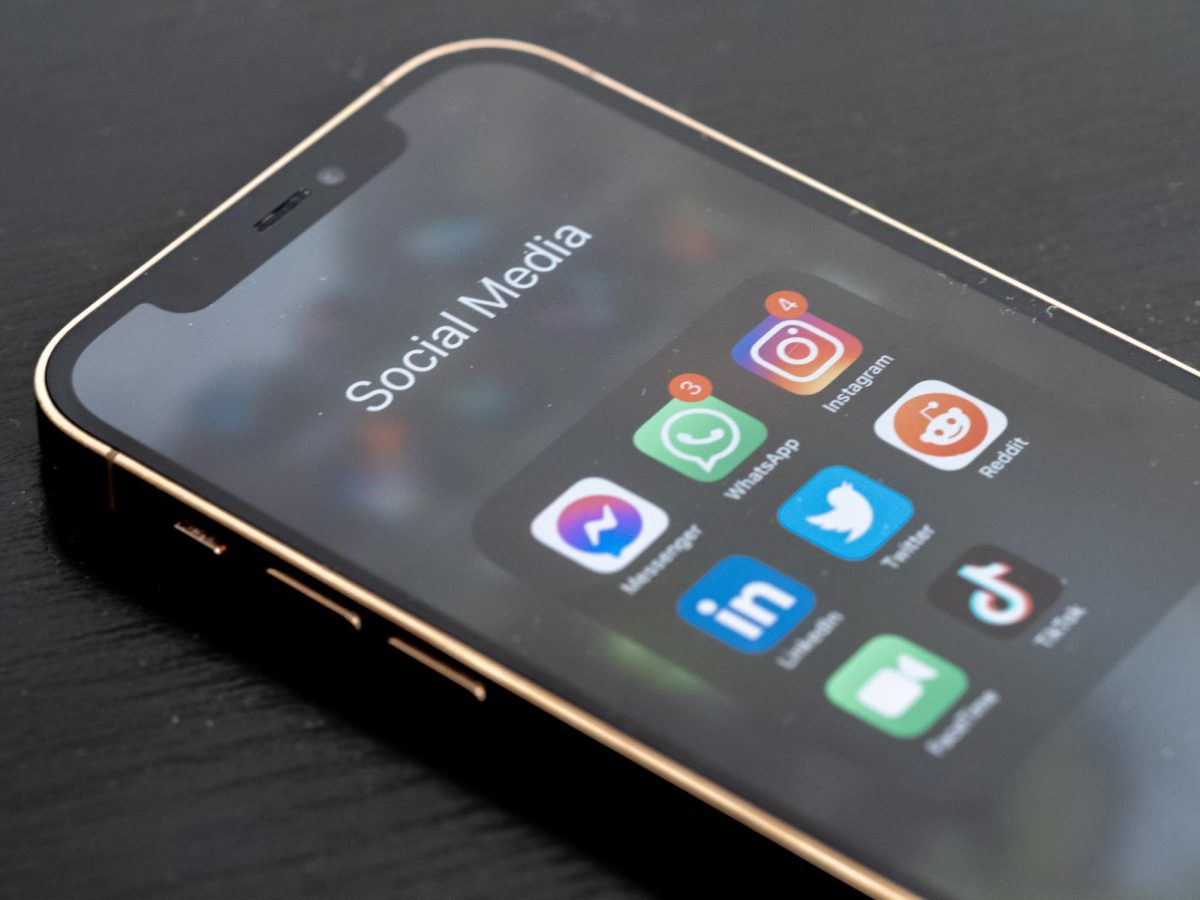
Despite that, they’re everywhere you look. Menus at many restaurants have been almost entirely replaced by QR codes, accessible only to those with a phone. Apps like Spotify promise subscribers every song they could ever want, but pay the people making those songs pennies per thousand streams. Everything from the scale in your bathroom to the parking meter on the sides of our streets demands your compliance in downloading their app— which will only sell a tiny bit of your data— to use them.
The most basic tenets of human existence— food, music, connection, and so much more— are being paywalled as we stand by.
Corporations have decided that humanity is for sale, for the time being, and it seems like everyone’s buying.
One of the most egregious examples of this corporate takeover is The New York Times Cooking, a website and app that provides recipes from thousands of chefs worldwide. All of them, of course, for a small fee.
If you use NYT Cooking, it’s easy to become indoctrinated into their mindset. Their dogma purports that they’ve created a beautiful hub for people of all backgrounds to share cooking tips and dishes that are important to them and their culture. On the surface, The New York Times has created a beautiful place for people to connect.
If they were really trying to do that, though, why not make it free?
Why not hire people to include recipes born out of poverty that haven’t been gentrified since? Why not stop and wonder if making most recipes include at least one insane kitchen appliance is really allowing people to connect?
NYT Cooking doesn’t actually care about any of that. The thing that they care about is getting you to buy a subscription, to click on their affiliate links, and watch the ads on their website.
Recipes aren’t getting passed down from generation to generation nearly as much as they used to, in large part because of the popularity of cookbooks. NYT Cooking is not only collecting this information, which would have been yours had its predecessors not existed; they’re also charging you for it. They’re charging you for your mother or grandmother’s recipes
Food is a cornerstone of human connection. Sure, it’s a basic component of life, but mealtimes also often serve as a time to connect with your loved ones. Cooking creates strong bonds between family members.
In the past, all of this would have only cost you as much as the ingredients. Now, experiences like these are behind a paywall.
Most impoverished people can’t afford NYT Cooking. They’re completely blocked from thousands of recipes, many of which are derived from their culture. These recipes have been stolen from them and repackaged for the upper class.
It’s easy to sit back and ignore these issues, but in a world that’s so fine-tuned to the needs of the upper classes, it’s even more important not to be complacent. It’s important to actively go against the things that let this classism proliferate.
So, the next time you cook, be a working-class hero: Write down the recipe and share it with your neighbor. It may be the only thing that helps our society push back against human connection being put behind a paywall.