





















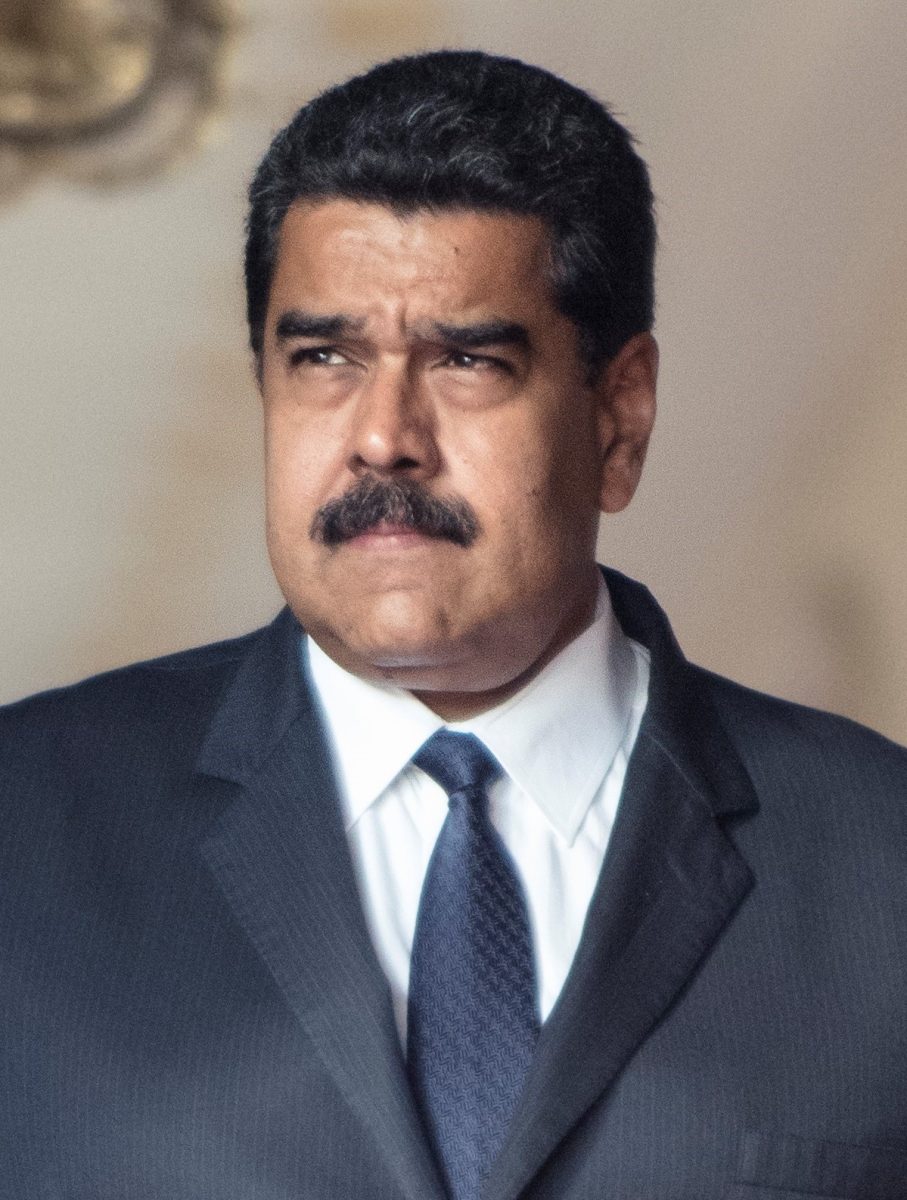











On January 3rd, 2026, Operation “Absolute Resolve,” a military mission to capture Venezuelan president Nicolas Maduro was executed.
When Maduro and his wife were captured and brought to the U.S., it came as a shock to many. Venezuela had been focused on far less than other giants when talking about international conflicts. Compared to the daily fears of war with Russia or North Korea, Venezuela seemed like a far-off conflict.
The U.S. and Venezuela have been at odds for far longer than Operation Absolute Resolve, though.
The U.S. has historically not supported South and Central American revolutions, especially when their governments directly oppose the United States. Most notably, Cuba and America have been at odds with each other following Fidel Castro’s rise to power in the late 1950’s.
In 1999, Hugo Chavez was elected president of Venezuela. Chavez had been closely involved in coup attempts in February and November of 1992, both of which had failed. When he was released from prison for those coup attempts, he ran on a platform of reducing corruption and improving living conditions for the poor. Throughout his presidency, Venezuela saw murder rates and corruption rise. Nearly 1.7 million Venezuelans emigrated.
Following Chavez’s death, a new election was held, narrowly granting Nicholas Maduro, Chavez’s named “heir”, the presidency.
Soon after his ascent to power, Maduro began to influence the Venezuelan Supreme Court and packed it full of his followers. In 2017, they effectively removed all power from the National Assembly, making it so that the government was effectively run by only him and his supporters.
Since then, Maduro’s administration has been accused of being an authoritarian dictatorship, mostly referencing his lack of opposition. In the most recent Presidential election, the Venezuelan government claimed that Maduro had received 51.85% of the popular vote compared to the runner-up’s 43.18%.
Independent results put Maduro at a much more modest 30%.
Assuming the independent poll is the more trustworthy of the two, by the time Maduro was captured, Venezuelan citizens were already pretty much done with him. But what finally did him in with the U.S. government?
In short, he’s being charged with multiple counts of drug trafficking.
The U.S. is arguing that Maduro was complicit in trafficking large amounts of cocaine through Venezuela and accepted bribes from the people trafficking them. They’re also claiming that he utilized organized crime groups for attacks on political enemies and those who opposed the administration’s drug trafficking.
The official indictment of Maduro makes no mention of any evidence against him. Lawyers working for his wife, Cilia Flores, who is facing similar charges, say they “look forward to reviewing and challenging the evidence the government has.”
Both Maduro and Flores pleaded not guilty during their arraignment, Maduro reiterating at one point that he was “not guilty of anything mentioned,” and “a decent man.” The next hearing for both of their cases will be held on March 17th.