












































Much to President Trump’s dismay, “Epstein” has become a defining word associated with his administration over the last few months, as legal records and documents connected to the late financier and those around him have surfaced recently. The new developments have emerged after Congress passed the Epstein Files Transparency Act, prompting the Department of Justice to release millions of files in recent months.
Jeffrey Epstein was arrested in 2019 on federal sex-trafficking charges involving minors, and died in jail later that year while awaiting trial, ending the criminal case against him. However, the circumstances of his death (which was reportedly by suicide) and his past have led to more unanswered questions regarding who enabled or was aware of his abuse. Despite years of investigative journalism and litigation, those questions remain.
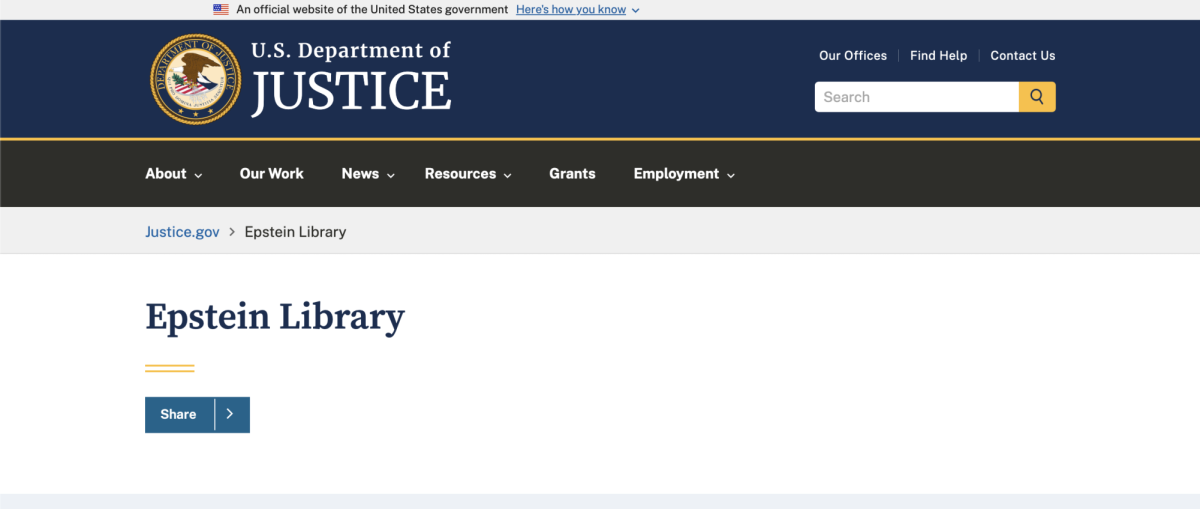
The “Epstein files” are recent collections published by Attorney General Pam Bondi and the DOJ online, and include court documents, deposition records, a massive archive of Epstein’s personal emails, and his own photos and videos. Many influential figures, such as Bill Gates, former President Bill Clinton, and of course, President Trump are heavily featured in the files, leading to the Clintons actually testifying before a U.S. House panel this week, and outrage directed at all who are named in the documents. To be clear, there has not been direct incriminating evidence with any of these individuals, but many allegations and statements that seem to imply at least awareness of Epstein’s activities. No new charges have been filed as a result of the latest releases.
The release of the files itself was also concerning, as the DOJ appears to have improperly redacted or missed redactions entirely for victim faces, names, and other personal information, which the law required to protect victim’s safety. Additionally, two batches of files were released after the deadline set by the law, with seemingly excessive redactions in some sections that go beyond the redaction standards in the bill. The law made clear that redactions cannot be made to protect the character of influential figures or politicians.
President Trump and his administration have collectively denied the President’s involvement or knowledge of any illegal activities regarding Epstein, but largely are not responding to specific allegations or evidence. The DOJ took down a document that appeared to feature an allegation that Trump raped a child and was aware of that child’s murder shortly after it was published. It has also omitted documents that mention a woman’s unverified accusation that Trump assaulted her in the 1980s, when she was a minor, as several memos related to her account are not in the files, according to the New York Times.