








































The WNBA is currently working on a new collective bargaining agreement, with altered terms regarding salary, revenue sharing, and charter travel. Higher wages have been offered and rejected, as players state that what they want is not an arbitrarily raised income, but wages that are more directly based on revenue. This would provide a system of wage scaling as the WNBA grows, and would more closely mirror the NBA’s system. As of 11/30/2025, an agreement has not been reached despite the looming deadline for renewal. If an agreement is not reached or the deadline is not extended, there is potential for a work stoppage.
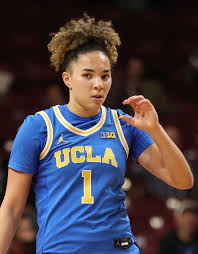
These negotiations are drawing public attention and controversy, but to truly understand them we must examine their wider context. The WNBA has exploded in popularity and in profits, but many players and coaches argue that league infrastructure and leadership decisions have not reflected this expansion. Major points of dispute include athlete’s salaries—which both players and coaches claim do not reflect the true value they bring to the organization—and consistent failures regarding referees. The latter issue was catapulted into the public consciousness when Napheesa Collier of the Lynx made a statement calling out WNBA Commissioner Cathy Englebert for her disrespect of players and their concerns, as well as the lack of accountability or response to valid complaints about the league’s inconsistent officiating.
For those unfamiliar with Collier, know that she has a sterling reputation. She is an incredible player, the co-founder of Unrivaled (a three-on-three professional basketball league running during the WNBA off-season), and the vice president of the WNBA player’s union. She was also extremely respectful in her statements, which players and coaches alike have expressed support for.
While some may be tempted to dismiss Collier’s concerns about unfair referees on the grounds that she is being a sore loser—to echo the words of Englebert, “only the losers complain about the refs”—her conduct, the support of other teams, the league’s response, and the simple truth of how the WNBA officiates makes such dismissals unwise.
The fact is, the WNBA does have an officiating problem. Longtime sports reporter Michael Rosenberg stated after one particularly botched match that “the WNBA has a fantastic product with an obvious officiating problem, and that problem sullied the Finals.” This stems from the fact that unlike the NBA, the league has no offsite review center. When a call is challenged, the people who litigate that are the exact people who made the call in the first place—and they don’t tend to back down. In a separate article, Rosenberg goes so far as to suggest that the befuddling failure to create a review center may be a negotiating tactic, proposing that the WNBA is holding necessary infrastructure hostage for use as a bargaining chip in the ongoing CBA disputes.
But even if the referees were somehow perfect, the fact that the WNBA has fined coaches (Aces coach Becky Hammon and Fever coach Stephanie White) for expressing polite concerns about accountability and consistency in officiating is highly suspect. Leadership should never be responding to respectful complaints with punishment. The opinions and contributions of those within the league should be valued by management, not scorned, and in doing so the WNBA is only alienating their most important asset. As Collier noted in her statement, “the league believes it succeeds despite players, not because of them.”
Not exactly the mindset you want the leadership of an athletic league to have. We can only hope that the WNBA experiences a significant shift in leadership soon, and continue to support the players in their ongoing fight for respectful treatment and fair compensation.