

























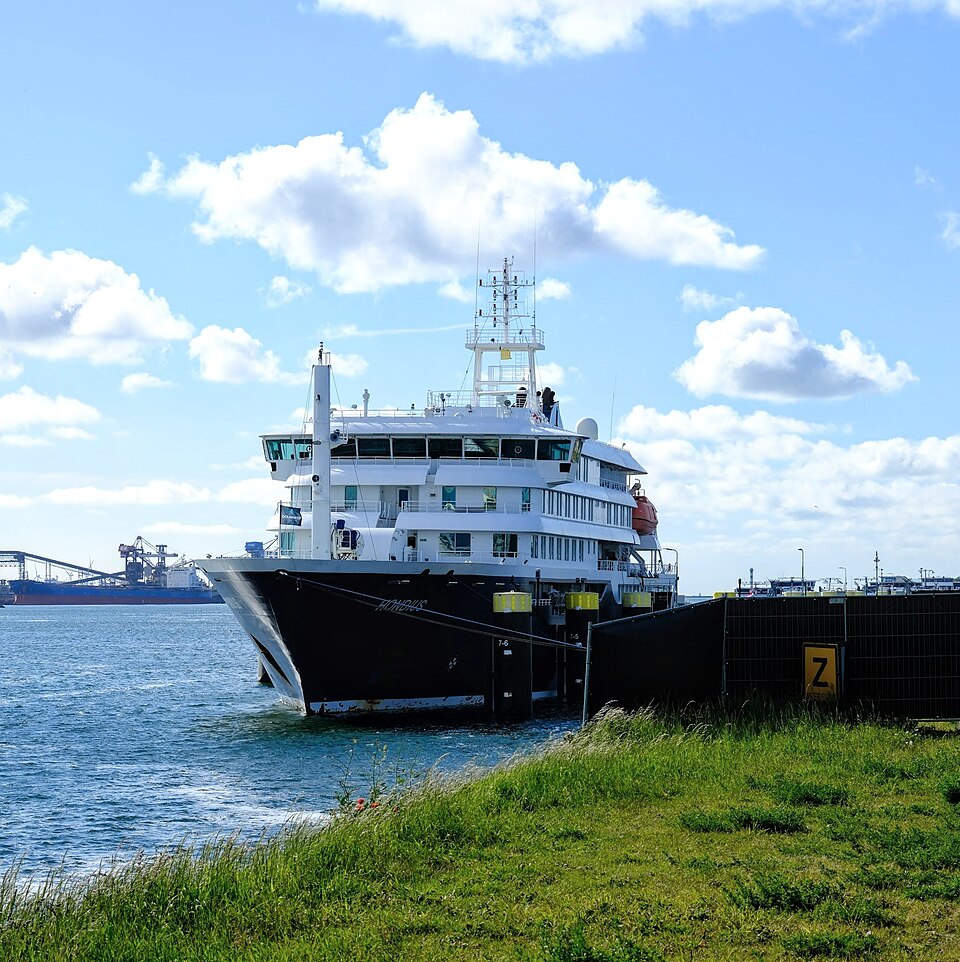














In late August, the Global Sumud Flotilla (GSF) (Not to be confused with the Soumoud Convoy, an earlier flotilla which occurred in June) began its voyage to the Gazan coast, hoping to break Israel’s 18 year long naval blockade and provide aid to Palestinians. Consisting of delegations from 45 different countries, the international humanitarian mission carried food, medical supplies, and over 500 volunteers—including notable figures such as acclaimed climate activist Greta Thunberg, the grandson of Nelson Mandela, Nkosi Zwelivelile Mandela, and members of Italian, Spanish, Portuguese, and European Parliment—in an attempt to open a corridor for aid.
These supplies were sorely needed, as Gaza has been officially confirmed as being in a state of famine by the UN-back Integrated Food Security Phase Classification report. According to that same report, over a hundred thousand Palestinian children under the age of five are at risk of death from acute malnutrition. The situation is dire, and according to organizers, purposefully engineered. The CEO of Mercy Corps, a global non-governmental organization (NGO) that has provides humanitarian aid across the world with a focus on building enduring and secure communities, was quoted by NPR as saying the famine “is the direct result of months of deliberate restrictions on aid, the destruction of Gaza’s food, health, and water systems, and relentless bombardment.”
Israel continues to profusely deny that a famine is occurring, and claims that both the restrictions on aid and the naval blockade are necessary to prevent smuggling. In early October, as the flotilla crossed the 150 nautical mile limit set by Israel, the navy began intercepting ships. By October 3rd, the last boat, the Marinette, had been captured. Their last words were, “We will not forget you. We will not let you be forgotten. This is the voice of humanity.”
Most of the activists have since been deported to their home countries, with the Guardian reporting that while in custody, they were denied immediate legal representation, water, medication, and sanitation. Additionally, Greta Thunberg in particular has reported experiencing grave abuse while imprisoned. While Israel denies this, other activists have corroborated her statements.
The interception and subsequent mistreatment of the activists sparked international outrage and condemnation, with protests erupting in cities ranging from Rome to Istanbul. Amnesty International’s Secretary General, Agnés Callamard, said in their statement on the issue that “This interception is not just about blocking aid; it is a calculated act of intimidation intended to punish and silence critics of Israel’s genocide and its unlawful blockade on Gaza.”
This trend continues despite the recent ceasefire agreement, and is reflected in Israel’s changes in policy that have constructed often-insurmountable barriers for NGOs to continue operating in the country. These new restrictions allow them to deny registration to organizations for a whole host of reasons, including if the Israeli government classifies them as antisemitic or supportive of terrorist organizations. (It should be noted that Israel’s National Security Minister, Itamar Ben-Gvir, claimed the GSF activists were terrorists who should face jail time rather than deportation for attempting to reach Gaza.) Ivan Karakashian, the communications manager for the Norwegian Refugee Council, which is unable to send supplies while its registration hangs in limbo, was quoted by NPR, saying “We quickly realized that the intent behind the process wasn’t to facilitate the re-registration of humanitarian INGOs [international non-governmental organizations] but rather find a way to de-register us and remove our ability to operate.”
The naval blockade itself remains in place.